
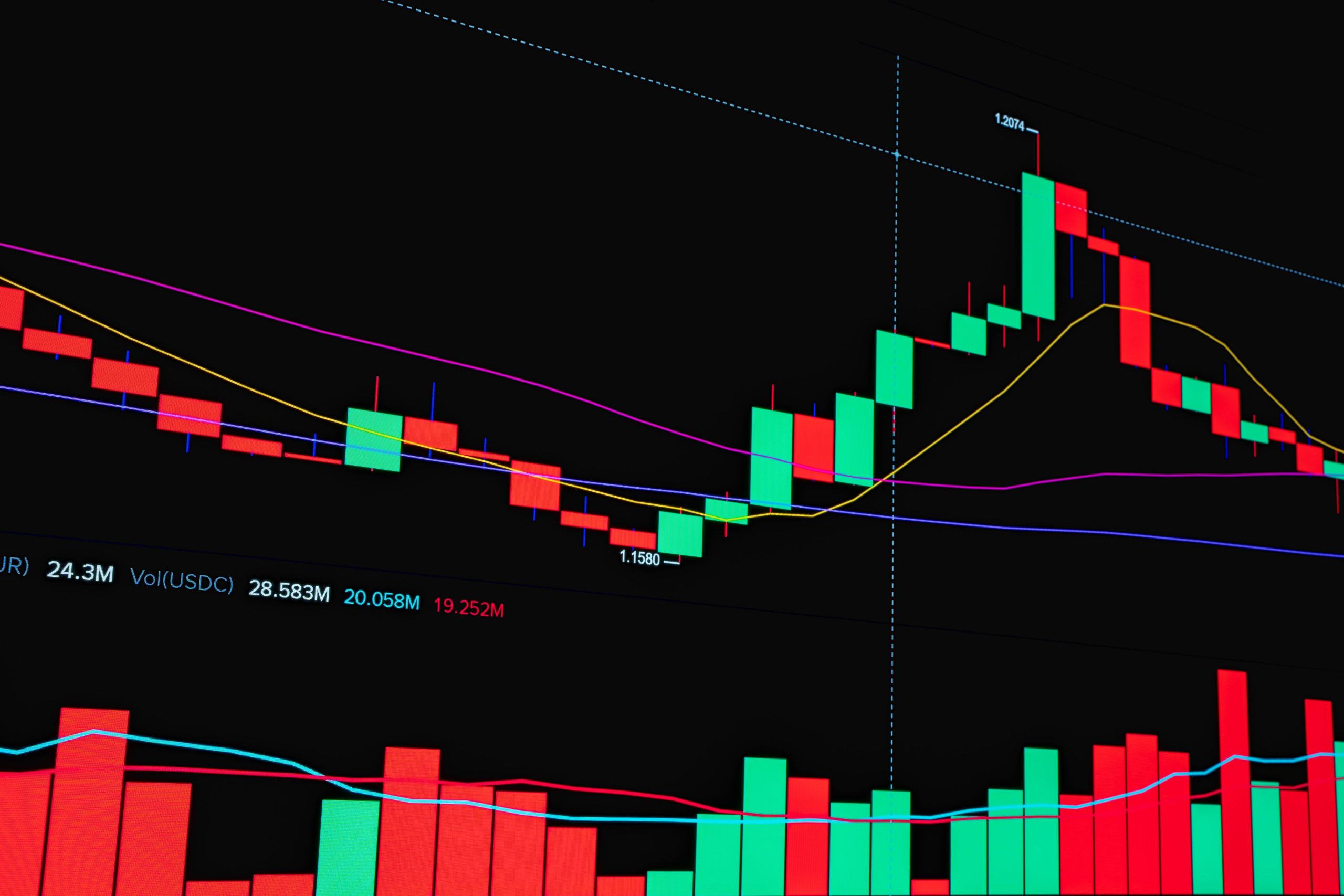
Memecoins are still very popular in 2026, and they continue to be traded regularly by crypto traders looking for high-volatility opportunities, community-driven projects, and the possibility of finding the next breakout token. While Bitcoin and Ethereum remain the dominant names in cryptocurrency, memecoins have carved out their own category by combining internet culture, social media, speculation, humor, and rapidly evolving online communities. The market is no longer limited to a handful of joke cryptocurrencies such as Dogecoin. Today, thousands of meme-based tokens compete for attention across networks including Solana, Ethereum, Base, BNB Chain, and others. According to CoinGecko’s current market data, the broader meme-token category is worth roughly $24.7 billion, with approximately $952 million in 24-hour trading volume, demonstrating that substantial capital continues to move through the sector.
The popularity of memecoins has also been helped by a dramatic reduction in the technical barriers required to launch a cryptocurrency. Platforms such as Pump.fun have made token creation accessible to people who have little or no blockchain-development experience. Instead of building a smart contract from scratch, arranging initial liquidity, and navigating a complicated launch process, creators can launch a token through a streamlined platform and immediately expose it to potential traders. Pump.fun describes its model as giving users the ability to create coins with equal access to buying and selling from the start.
This accessibility has transformed the economics of launching meme-based cryptocurrencies. A viral image, joke, celebrity reference, animal, political theme, online personality, or community idea can become a tradable token remarkably quickly. Social media then becomes the distribution mechanism, allowing communities to share new coins across X, Reddit, Telegram, Discord, TikTok, and other platforms. That combination of low launch barriers, instant liquidity mechanisms, social-media distribution, and speculative trading has helped make memecoins one of the most recognizable segments of the modern crypto market.
However, popularity does not necessarily mean quality or long-term viability. Memecoins are fundamentally different from established cryptocurrencies, and investors should understand those differences before purchasing them. Bitcoin and Ethereum were designed around broader technological or monetary objectives, while many memecoins derive much of their value from attention, culture, community participation, scarcity, and speculation. For traders who understand that distinction, the memecoin market represents a unique corner of cryptocurrency—but one that carries considerably greater risk.
What Are Memecoins?
From Internet Jokes to a Major Crypto Category
A memecoin is a cryptocurrency whose identity and appeal are heavily influenced by an internet meme, joke, cultural trend, character, animal, personality, or online community.
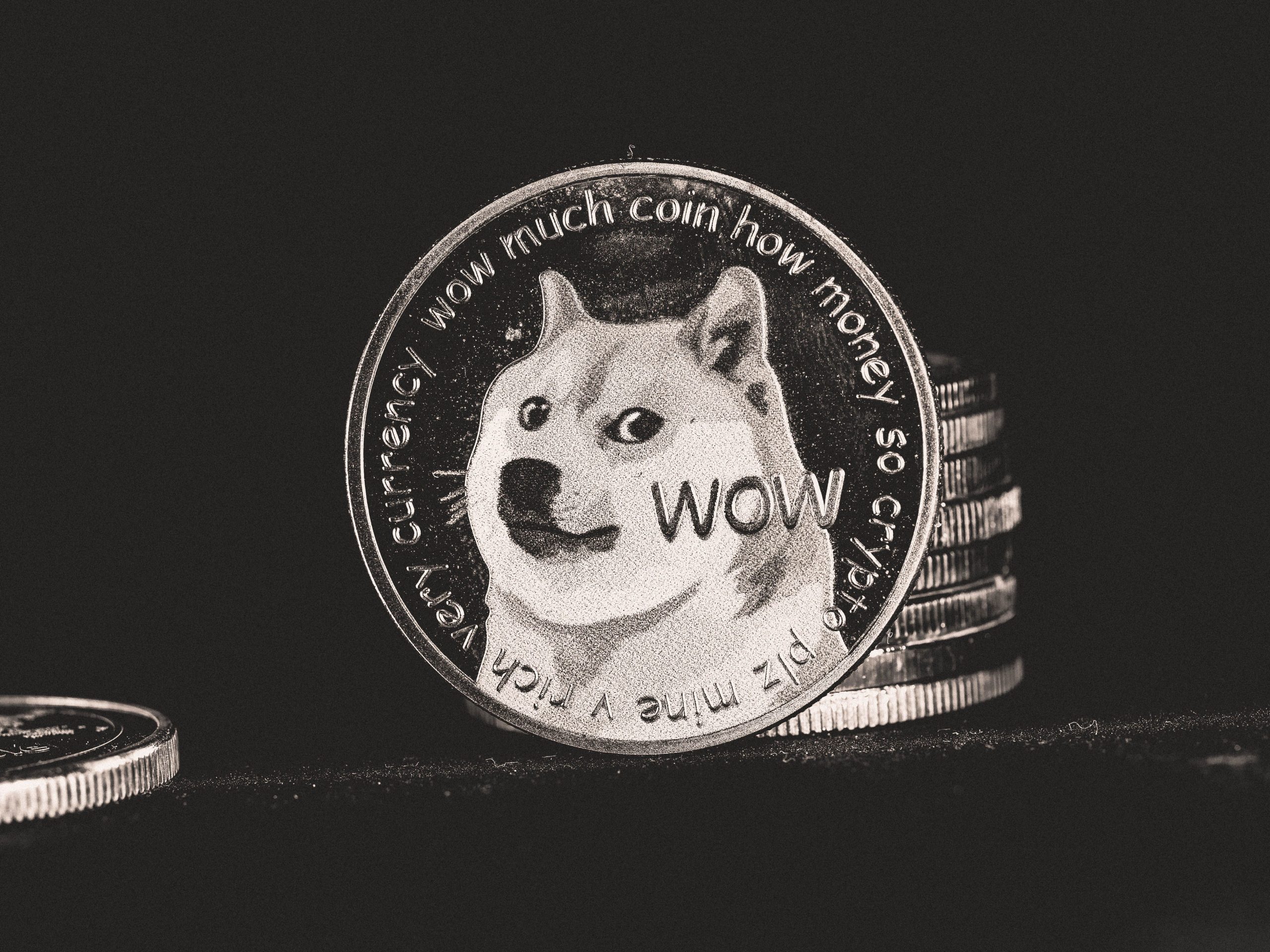
Dogecoin is the best-known early example, while Shiba Inu, Pepe, Bonk, and numerous newer tokens have demonstrated how quickly a meme can develop into a recognizable cryptocurrency brand.
Unlike traditional financial assets, memecoins often place community and attention at the center of their value proposition. A compelling meme can generate thousands of social-media posts, which can attract traders, which can create additional price momentum, which can generate even more attention.
That feedback loop is one of the defining characteristics of the memecoin economy.
How Pump.fun Changed Memecoin Creation
Making Token Launches Accessible
One of the biggest developments in the memecoin market has been the emergence of easy-to-use launch platforms.
Pump.fun is particularly important because its infrastructure allows users to create and trade tokens without going through the traditional process associated with launching a cryptocurrency. Its bonding-curve system provides automated pricing and liquidity from the beginning rather than requiring a conventional order book and separate market-making process.
The platform also charges 0 SOL to create a coin under its published fee schedule, although trading and graduation-related fees can apply.
This matters because reducing the cost and complexity of launching a token creates an enormous supply of new projects.
The result is a cryptocurrency market where creating a token can take minutes rather than months.
The Scale of Pump.fun
Pump.fun has become a significant part of the crypto economy. The Block reported that the platform generated approximately $98.3 million in earnings during the first part of 2026, following approximately $664 million during 2025 and $321.3 million during its first year of operation.
The platform’s own current dashboard reports approximately $375.7 million in annualized revenue, illustrating the scale of economic activity surrounding its ecosystem.
Importantly, Pump.fun’s growth has not been perfectly linear. The Block reported in June that the platform’s activity had fallen sharply, with its seven-day average token graduation rate reaching 0.26%. By late July, however, the reported graduation rate had rebounded substantially following changes to its launch incentives.
That volatility is itself representative of the memecoin market: attention can disappear quickly, but new narratives can emerge just as quickly.
Memecoin Market Statistics in 2026
Current Numbers to Know
The following statistics illustrate the size and activity of the cryptocurrency market in 2026:
| Statistic | 2026 Figure |
|---|---|
| Meme-token market capitalization | ~$24.7 billion |
| Meme-token 24-hour trading volume | ~$952 million |
| Total cryptocurrency market capitalization | ~$2.24 trillion |
| Bitcoin market capitalization | ~$1.27 trillion |
| Bitcoin market dominance | ~56.9% |
| Cryptocurrencies tracked by CoinGecko | 17,354 |
| Exchanges tracked by CoinGecko | 1,492 |
| Pump.fun annualized revenue | ~$375.7 million |
Market figures fluctuate constantly, so these numbers should be viewed as a snapshot rather than permanent values. CoinGecko currently tracks more than 17,000 cryptocurrencies and provides live market-capitalization and trading-volume data across the industry.
The numbers also put memecoins into perspective. A roughly $25 billion meme-token category is significant, but it remains a small portion of the overall cryptocurrency market, which currently stands above $2 trillion.
How Memecoins Differ From Bitcoin and Ethereum
Bitcoin: A Monetary Network
Bitcoin was introduced as a peer-to-peer electronic cash system and was designed around decentralized digital money rather than internet memes or rapidly changing cultural trends. Bitcoin operates without a central authority or bank, with transactions and issuance managed collectively by the network.
Its investment narrative is therefore fundamentally different from that of most memecoins.
Bitcoin’s limited supply, network security, longevity, decentralization, and role as a digital monetary asset are central to its identity. A memecoin, by contrast, may have little technological differentiation from hundreds of other tokens.
Ethereum: A Programmable Blockchain
Ethereum is also different because its primary role extends beyond being a cryptocurrency. Ethereum is designed as a programmable blockchain capable of running decentralized applications and smart contracts.
Smart contracts are programs deployed to the Ethereum blockchain that execute according to predetermined rules. This functionality supports decentralized exchanges, lending platforms, games, tokenized assets, NFTs, and numerous other applications.
Many memecoins use existing blockchain infrastructure rather than attempting to create an entirely new technological ecosystem.
The Key Difference
The distinction can be summarized simply:
- Bitcoin: primarily a decentralized monetary network and digital asset.
- Ethereum: a programmable blockchain and ecosystem for decentralized applications.
- Memecoins: primarily community-, culture-, attention-, and speculation-driven cryptocurrencies.
That does not automatically make one category better than another. It means they should be evaluated according to different criteria.
Why People Consider Buying Memecoins
1. Exposure to a Different Part of Crypto
Investors who already understand cryptocurrency may view memecoins as exposure to a different market segment. Rather than focusing primarily on technological development, memecoins provide exposure to community growth, internet culture, social trends, and speculative demand.
2. Potential for Rapid Price Discovery
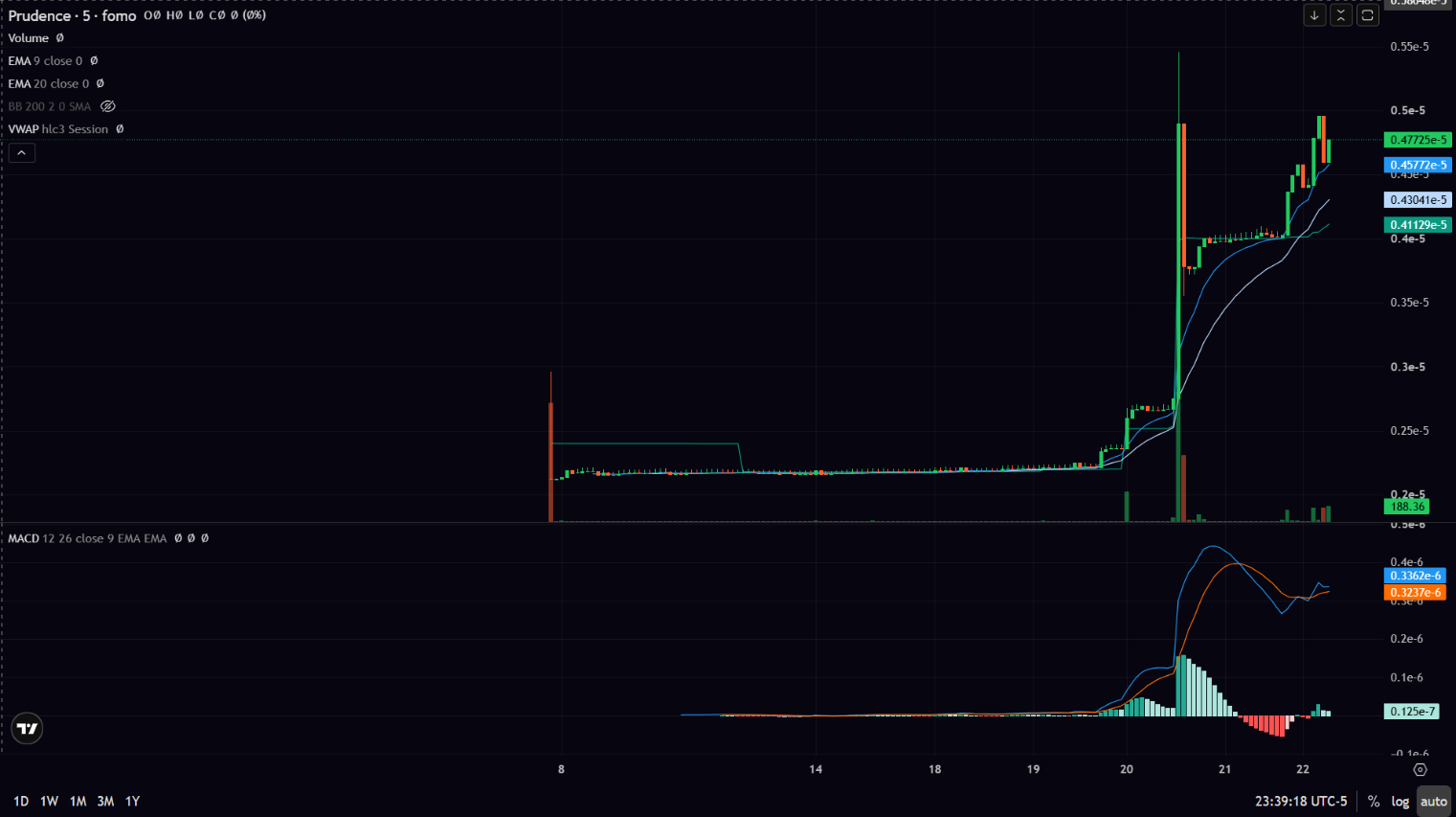
Memecoins can experience dramatic price movements because their market capitalizations can initially be very small and liquidity can be limited.
That creates the possibility of substantial gains—but also substantial losses.
A small-cap token that attracts significant attention can rise dramatically in a short period. Conversely, a token can lose most of its value just as quickly if traders lose interest.
3. Community Participation
For some holders, the appeal is not purely financial. Memecoins can function as online communities and shared cultural identities.
A successful meme can give thousands of people a common language, visual identity, and reason to participate in an online community.
4. Low Barrier to Entry
The growing number of launch platforms means people can research and discover new projects without limiting themselves to established cryptocurrencies.
That accessibility has expanded the number of participants—and consequently the number of potential narratives competing for market attention.
The Risks of Buying Memecoins
High Volatility Requires Caution
The same characteristics that make memecoins attractive also make them dangerous.
The SEC’s investor-education office warns that crypto-asset investments can be exceptionally volatile and speculative, with significant potential for loss.
Memecoins can also be vulnerable to concentrated ownership, low liquidity, market manipulation, abandoned projects, hacks, and scams. The SEC specifically warns that fraudsters have used memecoins in pump-and-dump schemes in which promoters generate hype before selling their own holdings.
For anyone researching a memecoin, basic due diligence should include:
- Check token liquidity.
- Review the holder distribution.
- Understand the token supply.
- Research the development team and community.
- Look for suspicious wallet activity.
- Never rely exclusively on social-media hype.
- Only risk money that you can afford to lose.
The Future of the Memecoin Market
From Joke Tokens to a Permanent Crypto Sector?
The memecoin market has evolved considerably since Dogecoin first demonstrated that a cryptocurrency could derive enormous value from an internet meme.
Today, sophisticated launch platforms, decentralized exchanges, social-media communities, automated liquidity mechanisms, and blockchain analytics have created an ecosystem where meme-based tokens can be launched, discovered, traded, and promoted at extraordinary speed.
The market will likely continue changing. Some tokens will disappear almost immediately, while others may develop strong communities and lasting brands.
The biggest question is whether memecoins eventually evolve into projects with meaningful utility or remain primarily vehicles for speculation and internet culture.
For now, the evidence suggests that memecoins remain an important and actively traded part of cryptocurrency. Their market is smaller than Bitcoin and Ethereum, but their ability to capture attention remains unmatched.
For readers interested in exploring the sector, the most important lesson is simple: understand what you are buying. Memecoins can offer extraordinary upside when a community and narrative catch fire, but they can also produce extraordinary losses when that attention disappears.
Memecoins may have started as jokes, but in 2026 they are a genuine and highly active segment of the cryptocurrency market.



Leave a Reply