
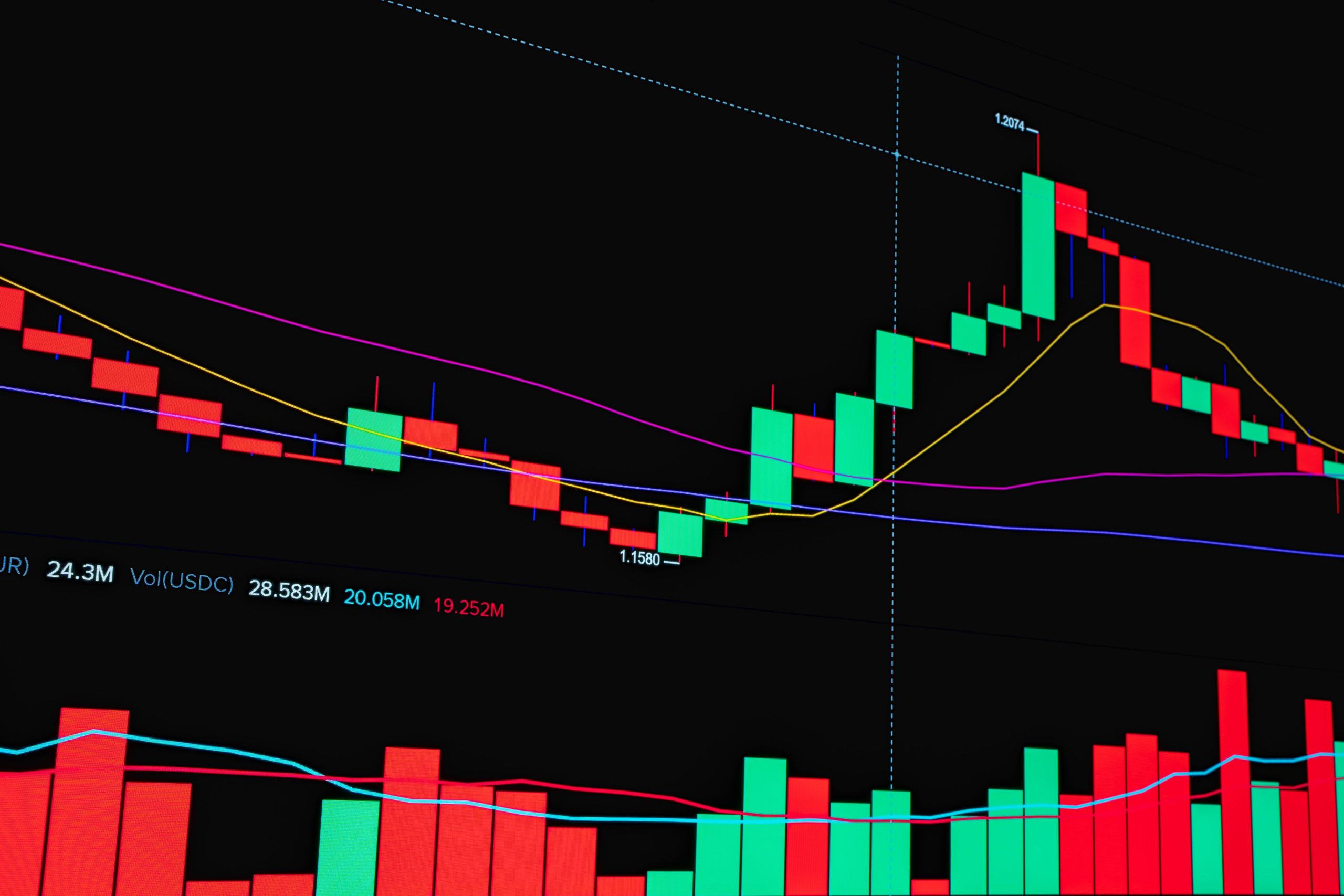

Bitcoin has suddenly snapped out of one of its most frustrating stretches of 2026, delivering a powerful rally that has pushed the Bitcoin price to new highs for the month and reignited optimism across the cryptocurrency market. After spending much of the summer struggling below $65,000 and falling to a 2026 closing low of about $58,559 on June 30, BTC has staged a dramatic recovery. Bitcoin climbed from roughly $64,700 on August 18 to an intraday high near $79,471 on August 21, representing a gain of more than 22% in just a few days. It then pulled back modestly on August 22 while remaining near $77,000–$78,000. The move is particularly significant because Bitcoin had spent weeks trapped in a relatively narrow range, leaving investors questioning whether the coins long-term bull market had stalled. Instead, BTC has suddenly reclaimed important psychological levels, attracted billions of dollars in institutional ETF demand, and benefited from a weaker U.S. dollar and renewed interest in cryptocurrency regulation. U.S. spot Bitcoin ETFs recorded approximately $1.9 billion of net inflows during the week ending August 21, their strongest weekly performance of 2026.
At the same time, concerns about U.S. debt, inflation, Treasury-market stability and currency debasement have helped push investors toward scarce assets such as Bitcoin and gold. The rally has also been amplified by short sellers being forced to close bearish positions as BTC moved higher. According to the Associated Press, more than $4 billion in bearish crypto positions were liquidated during the advance. The result is a market that has shifted rapidly from caution to optimism. However, Bitcoin is still well below its October 2025 all-time high of roughly $126,000, meaning this is a recovery rally rather than a new record-setting breakout. For investors, that distinction matters. Bitcoin’s recent surge is encouraging, but the next phase could be determined by whether BTC can hold its newly reclaimed levels, whether ETF inflows remain strong, and whether macroeconomic conditions continue favoring risk assets. The immediate question is no longer simply whether Bitcoin can recover from its slump. It is whether this rally can develop into a sustained trend.
Why Is Bitcoin Rallying?
Institutional Bitcoin ETF Demand Is Returning
One of the clearest catalysts behind the recent Bitcoin price rally is renewed institutional demand.
U.S. spot Bitcoin ETFs attracted approximately $1.9 billion in net inflows during the week ending August 21, according to data by The Block. That was the largest weekly inflow for Bitcoin ETFs in 2026.
Another report showed that spot Bitcoin ETFs received approximately $1.6 billion from Monday through Thursday, including $606 million in a single Thursday session.
This matters because ETFs provide traditional investors with a relatively straightforward way to gain Bitcoin exposure without directly managing cryptocurrency wallets or private keys. Sustained ETF inflows can therefore represent a meaningful source of buying pressure.
For additional background on the regulatory history of spot Bitcoin exchange-traded products, investors can review the U.S. Securities and Exchange Commission’s Bitcoin ETP approval materials.
A Weaker Dollar and Treasury Concerns Are Helping Bitcoin
The latest move also occurred alongside renewed concerns about U.S. fiscal policy and the dollar.
The U.S. Treasury recently announced plans to increase purchases of longer-dated government bonds to $4 billion per operation, up from $2 billion. The announcement was followed by a decline in the dollar and a rally in both Bitcoin and gold.
The connection is important. Bitcoin is increasingly viewed by some investors as a scarce alternative asset that can benefit when confidence in fiat currencies weakens. That does not mean Bitcoin automatically rises whenever the dollar falls, but the relationship can become particularly relevant when investors are worried about inflation, government debt or monetary debasement.
Short Covering Has Added Fuel
The Bitcoin rally has not been driven solely by new buyers.
As BTC moved through resistance levels, traders who had bet on lower prices were forced to close their positions. Those forced purchases can create a feedback loop: Bitcoin rises, short positions are liquidated, liquidations create additional buying pressure, and the price rises further.
The AP reported that over $4 billion in bearish positions were liquidated during the recent move.
This helps explain why Bitcoin moved so quickly after spending weeks moving sideways.
Bitcoin Price Statistics for 2026
The following numbers put the current rally into perspective:
| Bitcoin statistic | 2026 figure |
|---|---|
| Recent 2026 closing low | ~$58,559 |
| August 1 closing price | ~$62,763 |
| August 18 closing price | ~$64,681 |
| August 21 intraday high | ~$79,471 |
| August 21 weekly gain | ~22% |
| October 2025 all-time high | ~$126,000 |
| Recent U.S. spot Bitcoin ETF weekly inflows | ~$1.9 billion |
| Maximum Bitcoin supply | 21 million BTC |
Bitcoin’s June low and August recovery demonstrate just how volatile the asset remains. From the June 30 closing low near $58,559 to the August 21 intraday high near $79,471, Bitcoin gained roughly 36%. From the August 1 close near $62,763 to the August 21 high, the increase was roughly 27%.
Bitcoin’s fixed supply remains another important part of its investment thesis. The Bitcoin protocol is designed to limit eventual issuance to 21 million coins, with new issuance decreasing through scheduled halvings.
For an explanation of Bitcoin’s monetary design and supply schedule, see the Bitcoin.org FAQ.
What Can Investors Expect Next?
The immediate outlook is cautiously bullish, but Bitcoin still has significant hurdles to overcome.
The first major test is whether BTC can remain above the levels it reclaimed during the rally. A successful consolidation near the upper-$70,000 area could strengthen the argument that the market has established a new higher trading range.
A failure to hold those levels, however, could send Bitcoin back toward the mid-$60,000 area. That would not necessarily invalidate the longer-term recovery, but it would demonstrate that the latest move was primarily a short squeeze rather than the beginning of a sustained bull run.
Bitcoin also remains roughly 38% below its October 2025 record high, based on recent prices near $77,000 and the previous high near $126,000.
In other words, Bitcoin has recovered significantly, but it has not yet returned to a price level that would confirm a complete recovery of the previous cycle.
Four Things to Watch With Bitcoin Price
1. ETF Inflows
ETF flows should remain one of the most important Bitcoin price indicators.
The recent $1.9 billion weekly inflow figure is encouraging, but investors should watch whether that demand continues after the initial excitement surrounding the rally fades. Consistently strong inflows would suggest institutions are continuing to accumulate Bitcoin.
Conversely, a sudden reversal into substantial ETF outflows could remove an important source of buying pressure.
Watch for: sustained daily and weekly net inflows rather than a single large session.
2. The $80,000 Resistance Level
Bitcoin’s approach toward $80,000 is technically and psychologically important.
BTC came close to $80,000 on August 21, reaching roughly $79,471 before retreating. A decisive breakout above that area could attract momentum traders and potentially open the door toward higher resistance levels.
On the other hand, repeated failures around $80,000 could indicate that sellers remain active.
Watch for: a sustained breakout above $80,000 accompanied by strong trading volume.
3. Federal Reserve Policy and Jackson Hole
Macroeconomic policy could have an outsized influence on Bitcoin during the next several weeks.
The Federal Reserve’s 2026 calendar shows Chairman Kevin Warsh scheduled to deliver remarks at the Jackson Hole Economic Policy Symposium on August 28.
Investors will be watching closely for signals about inflation, interest rates and future monetary policy. A more accommodative outlook could support Bitcoin and other risk assets, while renewed inflation concerns or expectations for tighter policy could pressure prices.
The Federal Reserve’s 2026 economic calendar provides the official schedule.
4. Whether the Rally Broadens or Fades
Finally, investors should determine whether Bitcoin’s strength is spreading across the wider cryptocurrency market.
A healthy crypto-market recovery would typically involve stronger trading activity, improving sentiment and renewed demand across multiple major digital assets. If Bitcoin rises while the rest of the market remains weak, the move could be more defensive or institutionally driven.
Investors should also watch leverage. Rapid price increases can encourage traders to use excessive leverage, increasing the risk of another sharp liquidation event.
Why Some Investors May Consider Bitcoin
Bitcoin remains a highly speculative asset, but there are several reasons investors may consider owning a small allocation if they currently have no exposure.
1. Scarcity: Bitcoin has a maximum supply of 21 million coins, giving it a fundamentally different issuance model from traditional fiat currencies.
2. Institutional access: Spot Bitcoin ETFs have made Bitcoin exposure considerably easier for traditional investors, while the recent inflows demonstrate that institutional demand remains an important market force.
3. Growing financial-market integration: Bitcoin is increasingly traded alongside traditional assets and responds to macroeconomic developments such as interest rates, bond yields, liquidity and currency movements.
4. Potential upside from a recovery: Bitcoin remains substantially below its previous record high. If BTC eventually returns to $126,000, a price near $77,000 would represent significant upside from current levels. However, reaching that target is not guaranteed, and Bitcoin could fall considerably before any future recovery.
The most important consideration is risk management. Bitcoin can rise rapidly, but it can also decline just as quickly. Investors should avoid treating a short-term rally as proof that prices can only move higher.
Bitcoin Outlook: Rally or Temporary Rebound?
Bitcoin’s recent price action is undeniably encouraging. After falling below $60,000 during the summer and spending weeks struggling to regain momentum, BTC has now surged toward $80,000, posted its strongest weekly performance in more than two years and attracted substantial institutional ETF demand.
The rally also has a broader macroeconomic backdrop. A weaker dollar, concerns surrounding U.S. government debt, Treasury-market volatility and expectations surrounding cryptocurrency regulation have all contributed to renewed interest in Bitcoin.
Still, investors should resist assuming that a rapid rally automatically means a new bull market has begun.
The next few weeks could be decisive. If Bitcoin holds the upper-$70,000 range, breaks convincingly through $80,000 and continues attracting ETF inflows, the bullish case could strengthen considerably. If ETF demand fades and BTC falls back below recently reclaimed support, the market may need more time to establish a durable bottom.
The Bitcoin rally has changed the market’s narrative—but the next move will determine whether this is a breakout or simply a powerful rebound.
For investors, the smartest approach is to watch the data rather than chase the excitement: ETF flows, price levels, Federal Reserve policy and market leverage should remain at the top of the Bitcoin watchlist.
This article is for informational purposes only and is not financial advice. Cryptocurrency prices are highly volatile, and investors should consider their own financial situation and risk tolerance before buying Bitcoin.



Leave a Reply